Indian Marriage Traditions Explained
08 Jan 2026
Indian Marriage Traditions Explained
Indian marriages are known for their rich traditions, colorful rituals, and deep cultural meaning. A wedding in India is not just a ceremony but a sacred union of two individuals, their families, and their traditions.
Indian marriage traditions vary across regions, religions, and communities, yet the core values of commitment, respect, and togetherness remain the same.
Significance of Marriage in Indian Culture
In Indian culture, marriage is considered a sacred bond and a lifelong commitment. It marks the beginning of a new phase of life where two families come together.
Marriage is often viewed as a social and spiritual responsibility rather than just a personal choice.
Pre-Wedding Traditions
Roka or Engagement Ceremony
The Roka ceremony signifies the formal approval of the marriage by both families. It marks the official beginning of wedding preparations.
Haldi Ceremony
The Haldi ceremony involves applying turmeric paste to the bride and groom. It is believed to bring good luck, purity, and glow before the wedding.
Mehendi Ceremony
Mehendi is a joyful ritual where intricate henna designs are applied to the bride’s hands and feet. It symbolizes love, beauty, and prosperity.
Sangeet Ceremony
The Sangeet is a celebration filled with music, dance, and fun. Families from both sides come together to celebrate the upcoming union.
Wedding Day Traditions
Baraat
The Baraat is the groom’s wedding procession, accompanied by music and dancing. It represents joy and celebration as the groom arrives at the wedding venue.
Jaimala
The Jaimala ceremony involves the exchange of garlands between the bride and groom, symbolizing mutual acceptance and respect.
Wedding Rituals and Vows
Depending on religion and region, wedding rituals may include sacred vows, prayers, and blessings. In Hindu weddings, rituals are performed around the sacred fire, signifying purity and commitment.
Sindoor and Mangalsutra
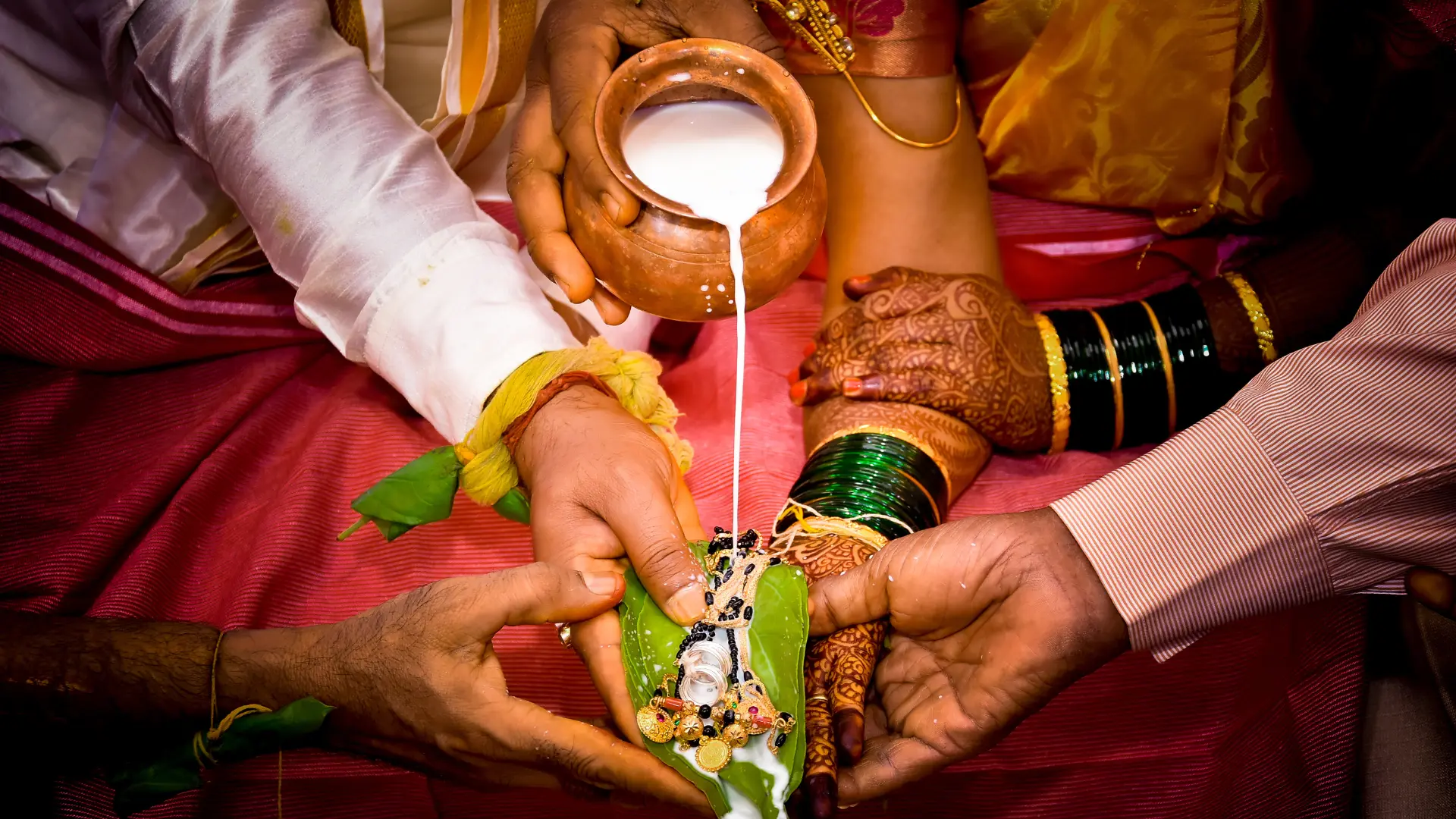
The application of sindoor and tying of the mangalsutra symbolize the marital status of the bride and the groom’s promise of lifelong protection.
Post-Wedding Traditions
Vidaai
Vidaai is an emotional moment when the bride bids farewell to her family and begins her new life with her husband.
Griha Pravesh
Griha Pravesh marks the bride’s welcome into her new home. It symbolizes prosperity, happiness, and new beginnings.
Reception
The reception is a formal celebration hosted by the groom’s family to introduce the couple to friends and relatives.
Regional Diversity in Indian Marriages
Indian marriage traditions vary widely across states and communities. South Indian weddings are known for simplicity and rituals, while North Indian weddings are often grand and elaborate.
Despite differences, every tradition reflects cultural values and family bonding.
Modern Influence on Indian Weddings
Modern Indian weddings often blend traditional rituals with contemporary elements. Destination weddings, themed ceremonies, and simplified rituals are becoming popular.
Final Thoughts
Indian marriage traditions are deeply rooted in culture, values, and spirituality. Each ritual has a meaningful purpose that strengthens the bond between the couple and their families.
Understanding these traditions helps couples appreciate their cultural heritage while embracing modern values in married life.